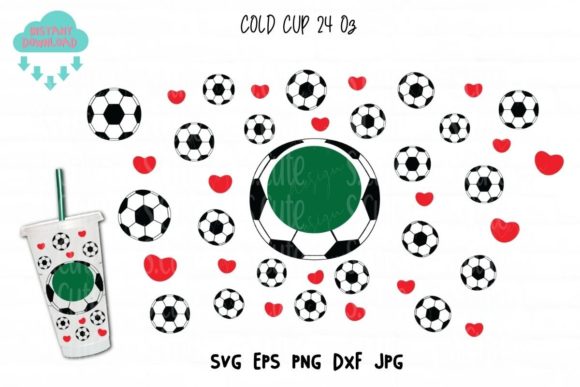
The Soccer Cup Design: A Designer's Practical Review
Whenever a design file like Soccer Cup lands in my library, my first thought isn’t just about the file itself—it’s about the projects it could become. I look at it as a professional embroidery designer, picturing it stitched onto fabric, wondering how it will hold up in real use, and judging whether it will delight a customer or just become another unused asset. Let’s walk through that practical judgment together.
First Impressions: Where This Design Naturally Belongs
Opening the Soccer Cup file, the mood is instantly clear: celebration, achievement, and sport. The theme is straightforward and universal, which is a huge advantage for crafters and small business owners. The layout, as an illustration, tends to be bold and graphic, making it highly recognizable. This isn’t a delicate, intricate piece; it’s a statement graphic. Its visual personality feels energetic and proud, perfect for projects meant to commemorate a win, a season, or a passion.
In my mind, I immediately see it on the chest of a youth team coach’s sweatshirt, centered on a custom tote bag for a soccer tournament volunteer, or as a bold patch on a cap. It belongs on products meant to be seen and understood quickly. For baby items, like a personalized blanket for a little fan, it would need careful size consideration, but its clear shape could work wonderfully. For holiday gifts—think a Father’s Day apron for the ultimate soccer dad—the design’s theme is a perfect fit.
Performance in Real-Life Embroidery Projects
Now, let’s get practical. How does Soccer Cup translate from a digital embroidery file to a finished product?
For custom apparel like t-shirts and sweatshirts, the design’s likely bold lines and solid shapes are a benefit. They’ll stitch up with clarity, assuming good stitch density is used in the file. On a tote bag, it becomes a durable, everyday statement. For a embroidered patch, its graphic nature means it can be applied to almost anything—from a backpack to a jacket—with high visual impact.
In a craft business setting, this is the kind of design that can anchor a product line. An Etsy seller could use it for a series of holiday embroidery gifts—mugs, pillows, tea towels—all centered around soccer pride. As a digital product seller, offering this as part of a bundle for commercial embroidery projects makes sense, given its broad appeal. For boutique branding, if your shop caters to sports families, this could be a key design asset for your merchandise.
Visual appeal is strong here. A clean, well-stitched Soccer Cup design increases product value and builds customer trust because it looks professional. The handmade presentation feels intentional and skilled, not amateur. This directly affects buyer engagement in your online listings or at a craft fair—people recognize and respond to a familiar, well-executed symbol.
Where to Use Carefully: The Designer’s Caveats
No design is perfect for every scenario. With Soccer Cup, being an illustration, there are areas where you need to pause and plan.
If the design has very small details or tiny lettering (like perhaps a year or text inside the cup), these could be problematic on small hoop sizes. Stitching them onto textured fabrics like some blankets or on curved surfaces like caps might lose clarity. On thin or stretchy fabric, without proper stabilizer, the design could pucker or distort.
Working on dark fabric requires careful thread color contrast planning. If the file is built for light backgrounds, you might need to adjust your approach. Also, consider stitch density—if areas are very dense, they could be too stiff for lightweight baby clothes or garments needing frequent washing.
The key is to match the design to the product’s function. A dense design on a kitchen towel that gets washed daily might not last as well as on a decorative pillow cover. Think it through.
Practical Notes Before You Hoop the Fabric
Here’s my standard checklist, the things I do before committing a design like Soccer Cup to a client’s project or my own product:
- Test on scrap fabric first. Use the same material and color as your final project. This reveals everything: puckering, thread coverage, detail clarity.
- Check thread color contrast against both light and dark backgrounds. I often test it in black and white mockups to see if the silhouette holds up.
- Review stitch density by looking at the sewn test. Is it too thick for the fabric? Too thin and weak?
- Confirm your hoop size can accommodate the design comfortably. Forcing a large design into a small hoop compromises quality.
- Inspect small details after stitching. Are corners clean? Do lines meet properly?
- Use proper stabilizer for your specific fabric. This is non-negotiable for professional results.
- Finally, confirm licensing before selling finished items. The product description mentions it’s an SVG for programs that accept it, but always verify if your use for commercial embroidery or selling digital products is covered.
The Final Stitch: How This Design Elevates Your Work
When used thoughtfully, Soccer Cup does more than just decorate a product. It creates a connection. For the customer receiving a personalized gift, it taps directly into their passion. For your craft business, it adds a reliable, appealing product to your line that can be adapted for many occasions—season openings, tournament wins, birthday gifts for fans.
Its strength as a graphic illustration means it offers brand consistency if you use it across a range of your small shop products. The giftability and recognition are high. In a crowded market, a well-made embroidered item featuring a clear, strong design like this stands out and feels professional.
My advice is to embrace its boldness. Let it be the focal point on a sweatshirt, not a tiny accent. Use it on products where the theme is central to the item’s purpose. And always, always, do that practical pre-check on scrap fabric. That step transforms a digital file into a confident, real-world embroidery project you can be proud to sell, gift, or wear.