A Real-World Review of the Soccer Mom, Soccer Rosie Design
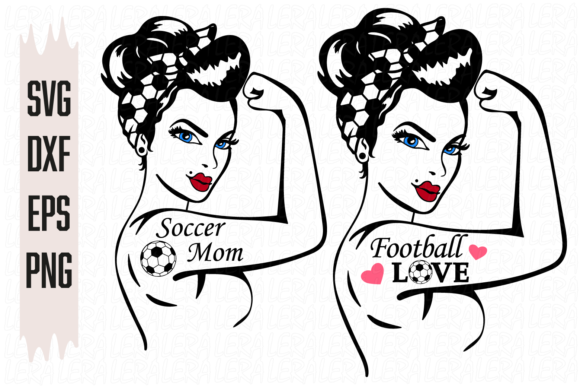
As a designer who regularly translates digital files into physical, stitched art, my first step with any new graphic is to visualize it as thread. When I opened Soccer Mom, Soccer Rosie, my immediate impression was one of playful, wholesome energy. This isn’t a complex athletic logo; it’s a charming illustration with a clear personality. The layout feels balanced and the details appear thoughtfully simplified, which is a crucial sign for a successful embroidery conversion. It evokes a mood of lighthearted support and family-oriented fun, making it a natural fit for projects aimed at parents, caregivers, or anyone celebrating that spirited soccer season vibe.
Where This Design Finds Its Perfect Home
In my hands, a design like this immediately starts suggesting real products. I pictured it on a cozy, heavyweight sweatshirt—a ‘team mom’ gift that feels personal and worn-in. It would shine on a sturdy canvas tote bag, ideal for carrying snacks to the field. For a small business owner, this graphic could beautifully adorn a limited-run apron for a boutique or a custom pillow cover in a child’s room. The theme lends itself perfectly to personalized gifts: a baby’s jersey, a holiday present for a dedicated coach, or a simple kitchen towel in a sports-loving household. For an Etsy seller or craft fair vendor, products featuring this design would slot easily into the niche of family-centric, sporty handmade goods.
The inclusion of multiple file formats is a practical boon. Having SVG, DXF, EPS, AI, and PNG options means I can seamlessly integrate the artwork into printable mockups for my online shop, use it for digital product previews, or prepare it for my embroidery software without extra conversion steps. This flexibility supports both the physical embroidery project and the commercial presentation of the finished product.
Navigating the Stitching Terrain: Practical Considerations
When moving from screen to needle, certain factors become paramount. For Soccer Mom, Soccer Rosie, the illustrative nature suggests it will rely on clean outlines and likely areas of fill stitch for the main elements. The detail level, from my assessment, looks manageable, but a hands-on test is non-negotiable. Before committing to a client’s custom apparel or a batch of embroidered patches, I always run the design on scrap fabric first. This lets me check the actual stitch density—ensuring small details like the lettering or facial features remain clear and don’t become a muddy, dense knot of thread.
Hoop size is a key decision. While the design might be adaptable, I’d lean towards a medium hoop for a standalone item to preserve integrity. On curved surfaces like a cap, the simplified shapes should fare well, but I’d be cautious about placing it on very stretchy fabric without a robust stabilizer strategy. For dark fabric backgrounds, the choice of thread color contrast is everything; this design would likely pop beautifully with bright, contrasting threads. On textured fabrics like some blankets, the simpler shapes should hold up better than overly intricate designs.
Scenarios That Demand Extra Care
There are always applications where a designer’s caution pays off. If you’re considering a very small hoop size for a tiny logo on a baby garment, inspect the smallest details in the file first to ensure they won’t vanish. Dense stitch areas, if present, can be tricky on thin fabrics, potentially causing puckering. For products destined for frequent washing, like kids’ sweatshirts, a stable embroidery foundation with proper stabilizer is essential for longevity. The design’s appeal lies in its clarity, so preserving that through thoughtful application is part of the professional process.
The Impact on Your Product and Your Customer
Using a well-executed embroidery file like this elevates more than just the item. It boosts visual appeal through clean, recognizable artistry. For a crafter or small shop owner, that translates directly to perceived product value and customer trust. A handmade tote bag with crisp, cheerful embroidery feels more substantial and lovingly made than a generic print. This consistency can strengthen your brand if you operate in the family or sports gift space.
The giftability factor here is high. It’s a design that tells a small story, making the finished product feel thoughtful and specific. That recognition—a customer seeing exactly the “soccer mom” sentiment they wanted to express—drives engagement. For commercial embroidery projects, such as a local team’s fundraising merchandise, this design offers a professional, approachable aesthetic that communicates the intended message without confusion.
Your Essential Pre-Stitch Checklist
My routine before any real-world project involves a few non-negotiable steps. With Soccer Mom, Soccer Rosie, I would:
- Test the design on a scrap of my intended project fabric (e.g., sweatshirt fleece or canvas).
- Review the stitch output closely, checking clarity of all illustrative details.
- Confirm that my chosen hoop size accommodates the design comfortably.
- Experiment with thread color palettes for both light and dark fabric backgrounds.
- Create simple black and white mockups to assess the shape’s strength without color.
- Use, and never skip, the appropriate stabilizer for my fabric type.
- Most importantly, clarify the licensing for this digital embroidery file. Since it’s provided as a commercial graphic, I need to confirm whether my intended use—selling finished handmade products or incorporating it into my digital design assets—is permitted before proceeding.
Final Thoughts for the Working Maker
Soccer Mom, Soccer Rosie presents itself as a versatile, mood-setting illustration for the graphics category. Its true value for an embroidery designer, apparel decorator, or creative entrepreneur is judged in the stitch. It feels destined for projects where warmth and a specific thematic cheer are the goals. By approaching it with practical diligence—testing, adapting to your medium, and respecting its technical parameters—you can transform this digital file into a physical product that resonates deeply. It’s a design that, when executed well on the right item, doesn’t just sit on the fabric; it feels like part of the story.